The Discriminating Eye: A Masterclass in Evaluating Luxury Menswear
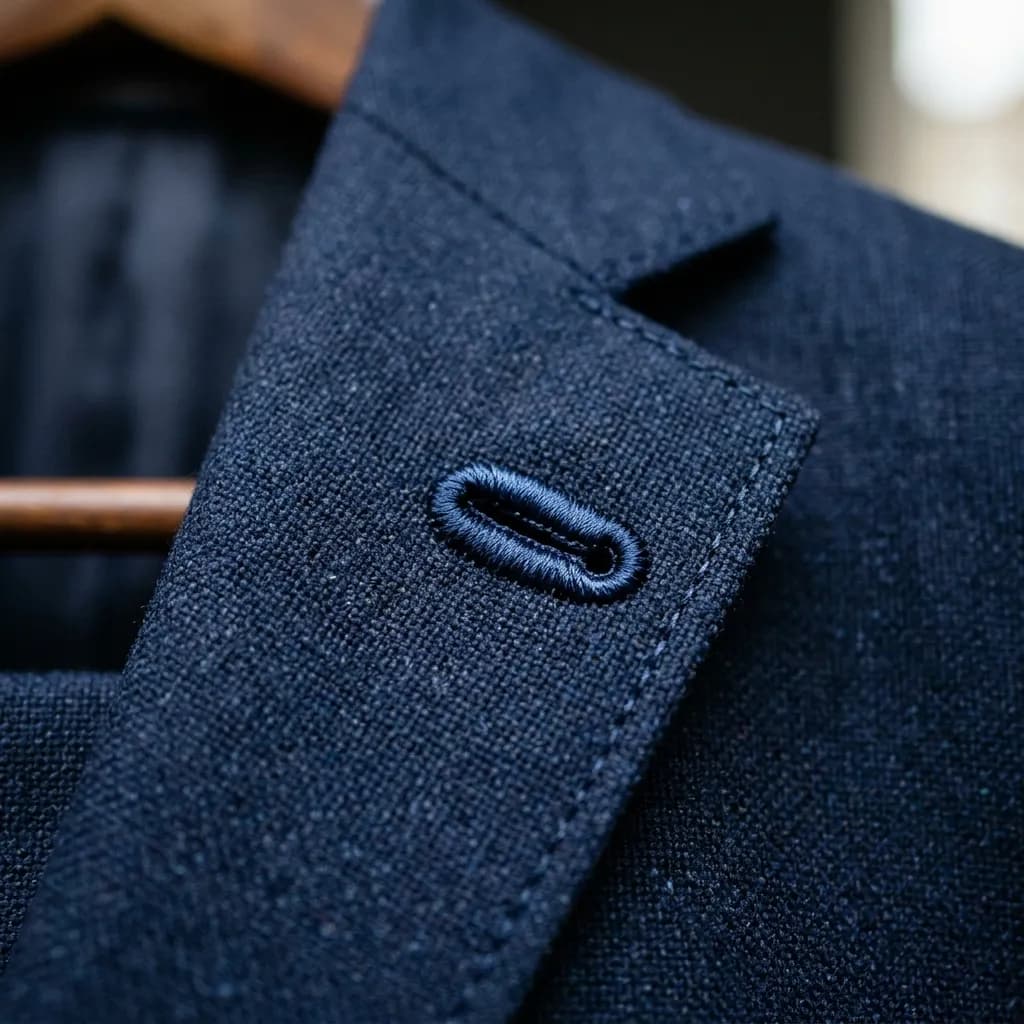
In an era where "luxury" is often a marketing veneer rather than a manufacturing standard, the modern gentleman must possess the technical literacy to look past the label. True quality is not an aesthetic; it is a structural reality. To the trained eye, a garment reveals its soul through its construction, its tension, and its interior architecture.
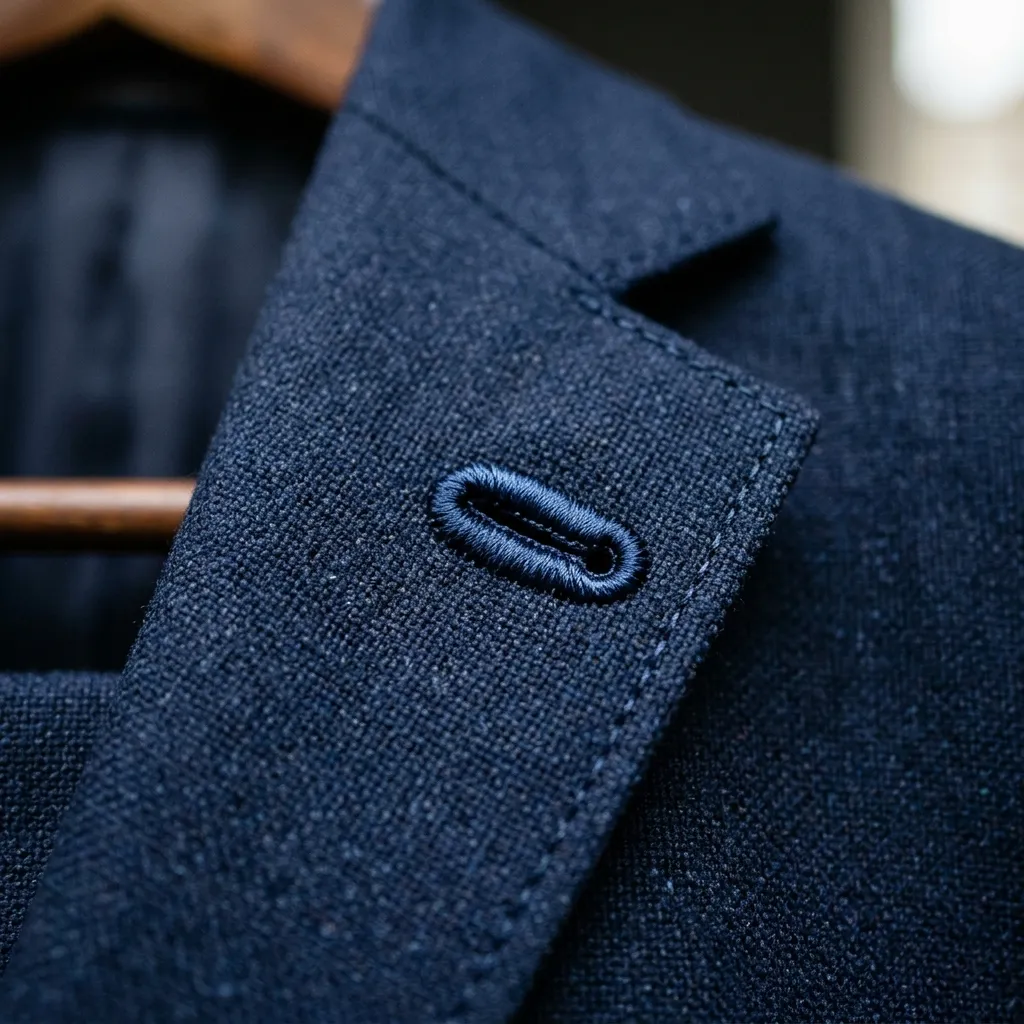
I. Fabric Integrity: The "Hand" and the Origin
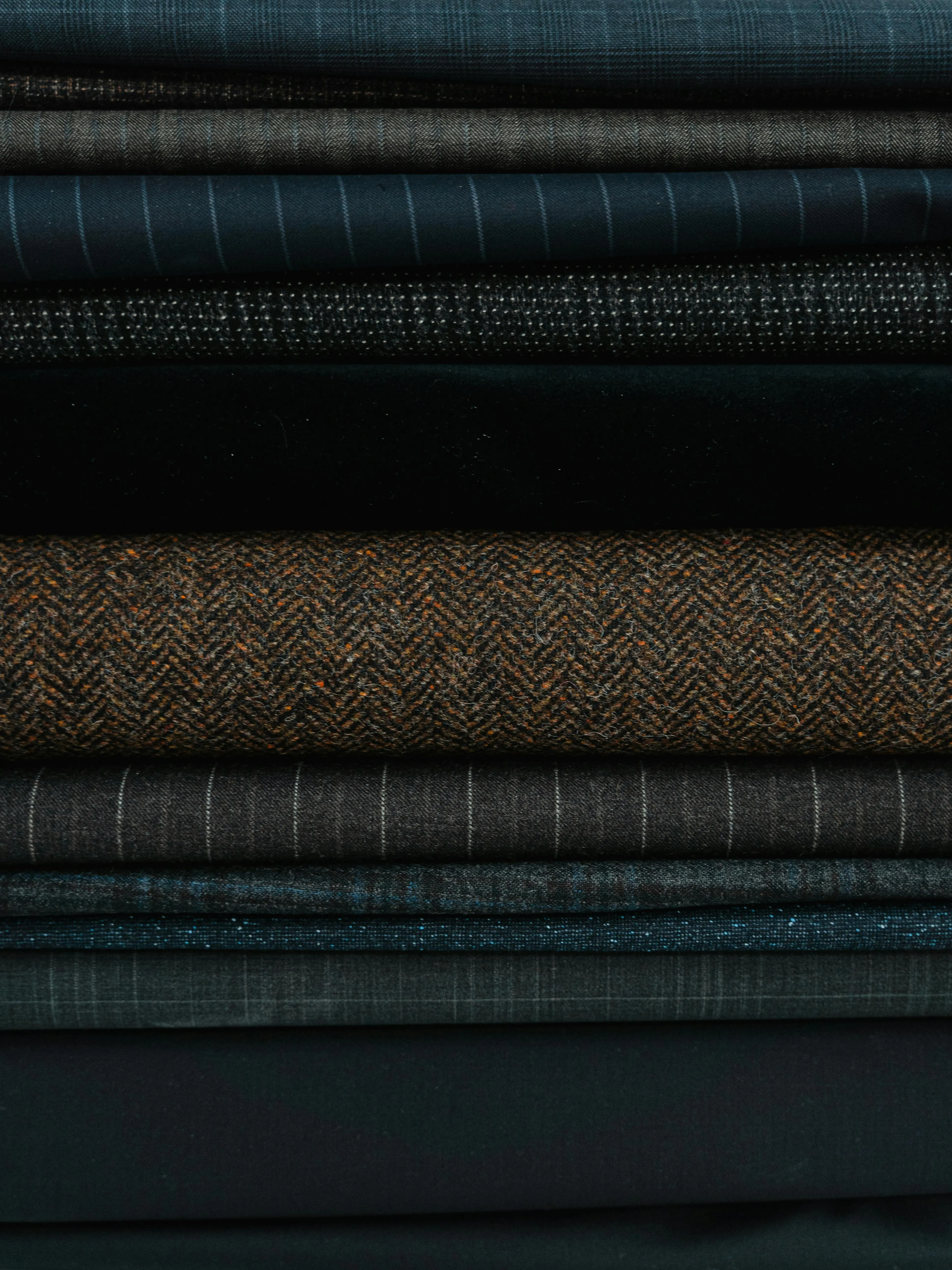 The Foundation of Refinement: Elite fabric selection is where luxury begins.
Luxury begins at the mill. High-quality garments utilize natural fibers with high tensile strength and superior drape. The "hand"—the way a fabric feels and reacts to touch—is the first test of pedigree.
- Weight vs. Resilience: Do not confuse "thin" with "cheap." A high-twist wool from renowned mills like Loro Piana or Vitale Barberis Canonico can be exceptionally fine yet incredibly resilient, holding its shape through years of wear.
- The Touch: Natural fibers should feel "alive." High-quality cashmere should be slightly matte and dense, not overly "fluffy." Excess fuzziness often indicates short, inferior fibers that will pill prematurely.
- The Selvedge: Look for the "finished edge" of the fabric. In high-end trousers or unlined jackets, seeing a clean selvedge indicates a slower, more deliberate weaving process on traditional looms.
II. Structural Integrity: The Canvas and the Roll
The most critical element of a luxury jacket is what lies between the cloth and the lining. This is the garment's skeleton.
- Full Canvas Construction: A true luxury garment is "Full Canvas." This means a layer of horsehair and cotton is hand-stitched throughout the front panels. Unlike fused (glued) jackets, a canvassed garment breathes and molds to your body over time, becoming more comfortable with every wear.
- The Three-Dimensional Lapel Roll: Observe the lapel. If it looks flat and pressed into submission, it is likely fused. A high-quality jacket features a soft, elegant curve—a "roll"—created by thousands of tiny tension stitches inside the canvas.
- La Moschetta (The Pick Stitch): Genuine hand-stitched edges along the lapels and pockets are more than decorative. They keep the interior layers from shifting and indicate a garment that was crafted, not merely assembled.
III. The Soul of the Suit: The Shoulder (La Spalla)
The shoulder is the most difficult part of a jacket to construct and the clearest indicator of quality.
- The Neapolitan Shirt Shoulder (Spalla a Camicia): Characterized by tiny pleats where the sleeve meets the shoulder, allowing for greater range of motion and a relaxed, Mediterranean elegance.
- The Clean Finish: Regardless of the style, the transition from shoulder to sleeve should be smooth, without the "dimpling" or puckering common in mass-market tailoring.
IV. The Mathematics of Pattern Matching
In mass production, fabric is cut to minimize waste. In luxury, fabric is cut to ensure visual harmony, regardless of the cost in raw materials.
- The Alignment Test: Check the seam where the shoulder meets the sleeve. If the garment features a check or stripe, the pattern should align perfectly across the seam.
 The Discriminating Silhouette: Authority in tailoring is revealed through a clean, intentional line.
- Pocket Integration: A welt or patch pocket should disappear into the pattern of the jacket body. If the lines are broken, the maker prioritized profit over the "Discriminating Eye."
V. Hardware and Finishing Touches
Luxury is found in the details that are expensive to execute but often invisible to the casual observer.
- Natural Materials: Buttons should never be plastic. Look for genuine Horn, Corozo (tagua nut), or iridescent Mother of Pearl. They should be "cross-stitched" for security and elevated by a "thread shank" that allows the fabric to sit flat when buttoned.
- Surgeon’s Cuffs: While once a sign of bespoke, functional sleeve buttons remain a hallmark of high-end tailoring. They signify a level of commitment to detail that mass production cannot afford.
- Clean Interior Finishing: Turn the garment inside out. There should be no raw edges. Seams should be piped in silk or high-quality Bemberg—a cupro fiber that is more breathable and durable than standard acetate.
Closing Thoughts: The Value of Literacy
Evaluating luxury is not about snobbery; it is about stewardship. When you understand the "why" behind the price tag, you stop buying clothes and start building a legacy. A well-constructed garment is an investment in longevity, comfort, and a silent declaration of your own standards.